

Binance is one of the world’s largest and most popular cryptocurrency exchanges, known for its extensive range of digital assets and user-friendly platform. Understanding how Binance works can help both beginners and experienced traders navigate the crypto market more effectively. At its core, Binance operates as a centralized exchange (CEX), meaning it acts as an intermediary between buyers and sellers to facilitate trading activities.
When users sign up on Binance, they create an account where they can deposit various cryptocurrencies or fiat money depending on their location and regulatory environment. The platform supports numerous payment methods including bank transfers, credit cards, and third-party payment providers to make deposits convenient. Once funds are deposited into the user’s wallet on Binance, these assets become available for trading across hundreds of cryptocurrency pairs.
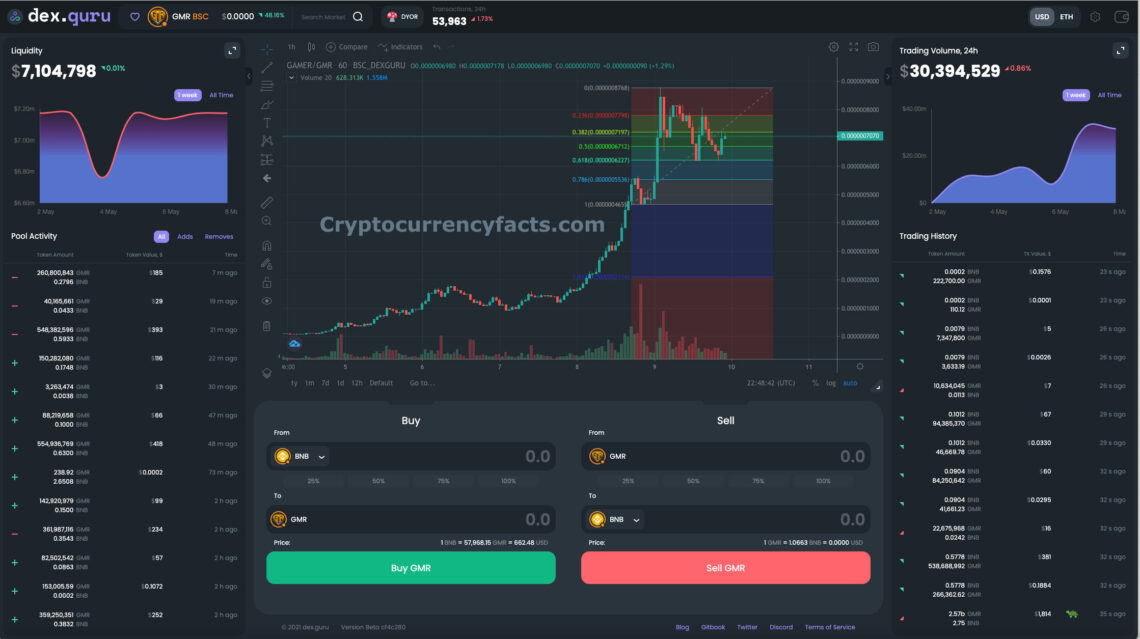
The primary function of Binance is to enable users to buy or sell cryptocurrencies through an order book system. This system matches buy orders (bids) with sell orders (asks) based on price priorities. For example, if a trader wants to purchase Bitcoin using USDT (Tether), they place a buy order specifying the amount of BTC desired along with the bid price they are willing to pay per unit. Simultaneously, another trader may be blockmanual.com selling Bitcoin at that same or lower price; once matched, a trade occurs instantly.
Binance offers several types of orders beyond simple market and limit orders including stop-limit orders which help traders manage risk by setting automatic triggers for buying or selling when certain price levels are reached. Additionally, advanced users can take advantage of margin trading where borrowed funds amplify potential gains but also increase risks.
Security is paramount in Binance’s operation model. The exchange employs multiple layers such as two-factor authentication (2FA), withdrawal whitelist features, cold storage wallets for most user funds offline protection against hacks, and regular security audits ensuring asset safety.
Beyond spot trading-the direct exchange of cryptocurrencies-Binance also provides futures contracts allowing speculation on asset prices without owning them outright. These derivatives come with leverage options enabling higher exposure relative to invested capital but require careful understanding due to increased volatility risk.
Another important component is Binance Coin (BNB), the native token used within the ecosystem for paying transaction fees at discounted rates among other utilities like participation in token sales hosted via Launchpad or staking rewards in DeFi projects integrated into the platform.
In conclusion, Binance functions by connecting buyers and sellers through an efficient matching engine while offering diverse financial tools tailored for different levels of expertise. Its robust infrastructure combined with comprehensive security measures makes it a preferred choice worldwide for accessing cryptocurrency markets seamlessly whether one aims for simple asset swaps or complex trading strategies.